Jan 30, 2026

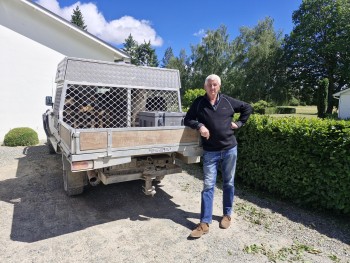
DINZ Chair Paddy Boyd
After 43 years at Haldon Station, in Paddy’s words, he’s “heading toward retirement” but not just yet as he is still fully involved in the work he loves. Haldon spans 22,000 hectares of sheep, beef, and deer country - an operation shaped over three decades to stay resilient in the face of market volatility. While primarily a breeding-focused farm, the addition of 900 hectares of pivots now allows the team to finish more stock and better control when and how they sell.
Across the farm, stock numbers are impressive:
- 14,000 merino for meat and wool
- 1,500 cattle, including a bull‑breeding herd supplying beef and dairy farmers
- 7,000 deer, with 3,300 calving hinds, 500 breeding and velveting stags, and the rest finished for processing
Paddy has long represented the farmer voice in the animal traceability (NAIT) space, and with growing focus on registering animals with a Date of Birth (DOB), we asked him what birth data means on a farm like Haldon.
Running an operation the size of Haldon requires good information, which is why Haldon has recorded animal data - including DOB - for years, well before NAIT made it compulsory. Their system started as part of their own internal traceability, so NAIT didn’t feel unfamiliar when it arrived.
Having full animal data, including DOB, is now integral to how the team manages stock; drafting, selecting replacements, tracking performance, and keeping mobs accurate. As Paddy puts it, “it’s the difference between guessing and knowing.”
From guaranteeing cattle age without having to open mouths, to confidently drafting deer lines, DOB pays off across the whole property. Visual tags are also key to successful traceability, making information easy to read from a distance and keeping everything aligned with NAIT.
“Traceability is imperative for guaranteeing our markets. I’m a strong believer in pasture to plate, and NAIT helps us get there.”
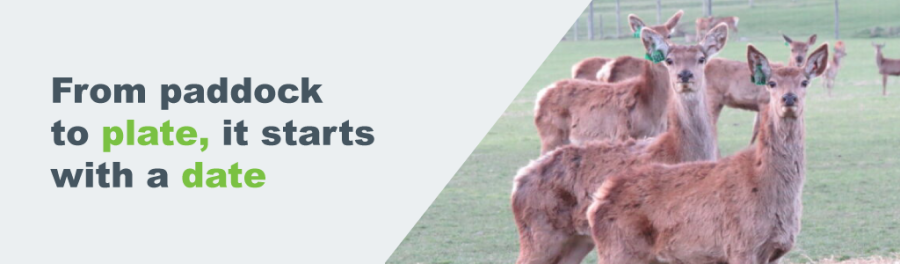
From paddock to plate, it starts with a date
When you're registering deer, it's important to enter their month and year of birth in NAIT. If you’re unsure of the actual day, put the 1st of the month – this still meets your NAIT obligations.
Whether it’s your breeding stock or finishing stock, having birth information logged in the system puts our industry in a stronger position.
This article originally appeared in OSPRI News January.