Jan 26, 2026
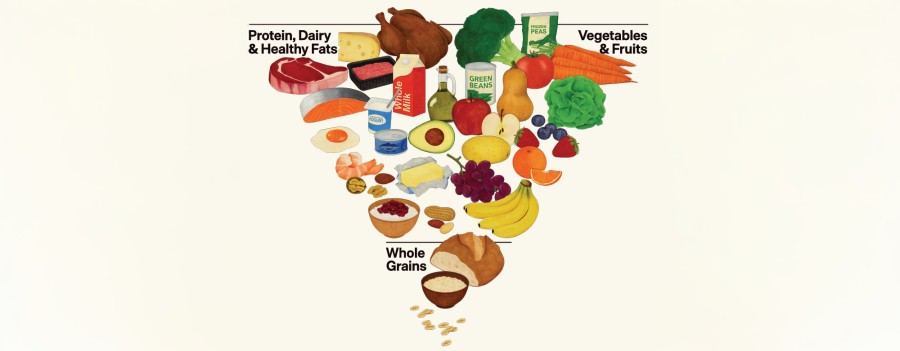
The new inverted food pyramid, jointly issued in early January by the U.S Department of Agriculture and the U.S. Department of Health and Human Services, places red meat in a place of prominence, highlighting a return to whole, real foods.
The U.S. has released its new Dietary Guidelines for Americans (2025–2030), and for venison farmers, the direction of travel is encouraging. After more than a decade of mixed messaging around meat, fat, and protein, U.S. nutrition policy has gone through what officials are calling a “reset”. The focus is now firmly back on whole foods, nutrient density, and high-quality protein, with much less tolerance for highly processed alternatives. This shift did not happen by accident.
Over recent years, several trends have collided, including:
- Rising obesity and metabolic disease, despite strong uptake of ultra-processed “health” foods.
- Growing concern about muscle loss, frailty, and ageing populations.
- Evidence that many people, especially older adults, are not eating enough protein.
- Disappointment with heavily processed plant-based alternatives, which are often high in additives, refined oils, and sodium.
The once-vocal anti-red meat narrative has lost momentum, particularly as research has become more nuanced. The focus has shifted away from blanket food group avoidance and more toward how food is produced, processed, and consumed. In short, policy makers are recognising that real food matters, and protein is central to health.
“The updated guidelines mark a significant reset of U.S. food policy,” says DINZ Markets Manager Terry Meikle, “with a very clear message for Americans to eat real food and dramatically reduce highly processed foods in its quest to Make America Healthy Again.”
“Added to this food policy shift is the surge in usage of weight loss drugs, which are leading consumers to make more conscious decisions about how food and nutrition can play a functional role in muscle health, satiety and metabolic performance, which is all very exciting for nutrient-dense venison.”
Where venison fits
In the new inverted food pyramid, red meat is shown prominently at the top left alongside other core proteins, a clear visual signal that high-quality animal protein has been restored to a central, positive role in healthy diets. This is where venison stands out as it is:
- Naturally lean and high in protein
- Rich in iron, zinc, and B vitamins
- Grass-fed and free-range by default
- Minimally processed
- Aligned with animal welfare and regenerative systems
At the same time, consumer enthusiasm for plant-based meat substitutes has cooled. Many shoppers now see them as highly processed foods, rather than genuine alternatives. In contrast, grass-fed meat is increasingly viewed as authentic, nutritious, and trustworthy. That combination—real protein, simple production, and transparency—fits squarely with where nutrition policy is heading.
“It should be noted that these guidelines are not just a tool to educate consumers,” says Meikle. “They also influence government procurement, which includes schools, the military, and a wide range of federal government initiatives. With the guidelines in place for five years, we have the chance to lock in both current and future venison consumers.”
The link to NARA
This policy reset reinforces the thinking behind the North American Retail Accelerator (NARA) programme. NARA is not about chasing volume at any cost. It is about:
- Building enduring demand in the U.S.
- Positioning venison as a premium, natural protein
- Balancing risk across retail and foodservice
- Supporting price integrity over the long term
The new U.S. guidelines give additional credibility to the nutrition-led messaging already being developed under NARA, particularly around protein quality, iron, and whole-food credentials.
This doesn’t mean markets suddenly become easy. Supply remains tight, standards matter, and quality must be protected. It does, however, mean the conversation is moving back toward the kind of food Kiwi farmers already produce well. The opportunity now is to protect quality and consistency, tell the story clearly and honestly, and back premium positioning with on-farm practice. In that sense, the new U.S. guidelines are not a windfall, but they are a tailwind. And in today’s global protein market, that matters.