Jan 30, 2026
While there are no immediate benefits for the New Zealand deer industry in the India-NZ FTA, exciting opportunities may lie down the road.
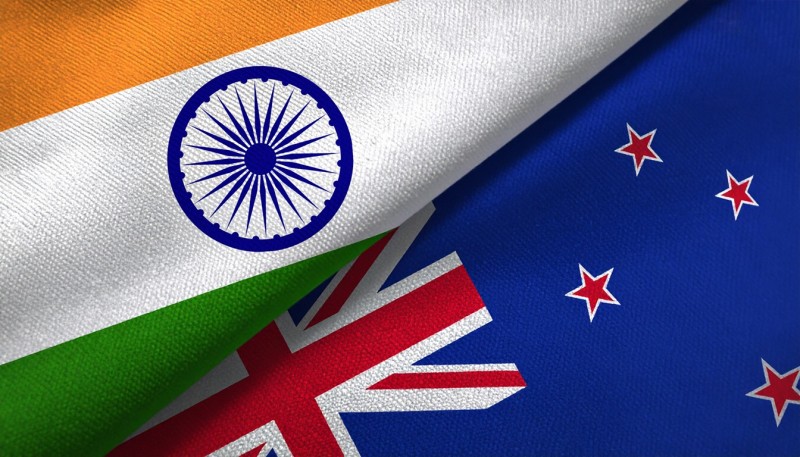
At the end of 2025, three days before Christmas, the Government announced that it had secured a “landmark” Free Trade Agreement (FTA) with India, which Trade Minister Todd McClay says will result in New Zealand gaining “unprecedented access to 1.4 billion Indian consumers.”
The list of New Zealand primary sector beneficiaries includes anything that has regular trade already established with the Indian market, which includes lamb, forestry, wine, honey, seafood and horticulture.
Some farmers may be asking why venison is not included.
“First off, we need to recognise that this is great for New Zealand, for our economy, and the country’s primary sector, so that is to be celebrated,” says DINZ CEO Rhys Griffiths. “Many of our deer farmers also farm sheep so to see tariff relief for sheepmeat and wool is a positive.”
“For venison, it is our understanding that this FTA was negotiated on the basis of existing trade only. With no meaningful exports of venison to India – yet, I might add – then venison was not included as part of the FTA. Like most FTAs, there will be regular review periods, and we will look to push our case with greater ambition in the future once our venison herd expansion, which we believe is underway, has come to fruition.”
For velvet, India does have traditional medicine systems (grouped by the Indian government under the umbrella term AYUSH), much like China and South Korea. To succeed in India, velvet will likely need to piggyback on the human clinical trial work in velvet efficacy that is ongoing in South Korea.
"While naturally disappointed to not get improved access for the deer industry, we are encouraged by the partnership opportunities created under the agreement,” DINZ Markets Manager Terry Meikle says. “Agriculture cooperation has been clearly designed to foster a deeper understanding of future trade opportunities.
“From a deer industry perspective, it was also important to see India's traditional systems of medicine [AYUSH] recognised in the FTA. This sends a strong global signal of the growing acceptance of alternative and traditional healthcare practices and medicinal products, which should help velvet’s positioning in the Indian market going forward, especially if combined with proven success in human clinical trials in other markets.”
With ongoing supply-side venison challenges, DINZ will continue to prioritise other markets. However, being the world's most populous country, India cannot be forgotten. With a review of the agreement scheduled at the one-year anniversary of entry into force, DINZ will have a useful cooperation forum to build partnerships and deepen the understanding of venison and velvet opportunities for Indian consumers.